Corsica: visiting and discovering the Isle of Beauty
Camping corse / Corsica
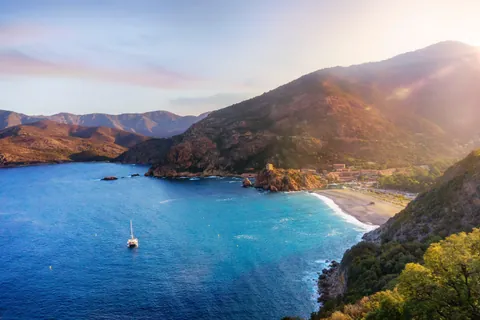
Corsica isn't called the Isle of Beauty by chance: to know it is to love it. Its wild nature, the blue of the sea, the fine sand of its beaches and its rich historical heritage make it a destination that has it all. From north to south, east to west, discover the hidden gems of this island, where beauty and the art of living are the watchwords. Hilltop citadels and typical villages, ancient fountains and waterfalls, old olive mills and country houses: there is so much to see and experience in Corsica. Visiting and discovering the Isle of Beauty means seeing a great variety of landscapes, not only because the island offers different types of natural environments, but also because each area has its own history, culture and traditions. Planning a stay on the island? Let's discover Corsica together.

The culture and heritage of Corsica
Corsica is the fourth-largest island in the Mediterranean, after Sicily, Sardinia and Cyprus. It lies north of the Italian island of Sardinia and south-east of mainland France. The culture and heritage of Corsica are rich and very different from those of mainland France. Corsica has been home to many civilisations throughout its history. It was settled very early on: archaeological sites dating back several millennia bear witness to an ancient civilisation on the Isle of Beauty. Between the 5th and 11th centuries, Corsica was regularly attacked, invaded and plundered by the Ostrogoths and by the many pirates sailing the seas. The Corsican flag (the Moor's head) is the symbol of this struggle against invaders. From the 11th to the 13th century the Pisans occupied Corsica, followed by the Genoese from the 13th to the 18th century. These centuries of occupation gave rise to the architectural heritage we know today.
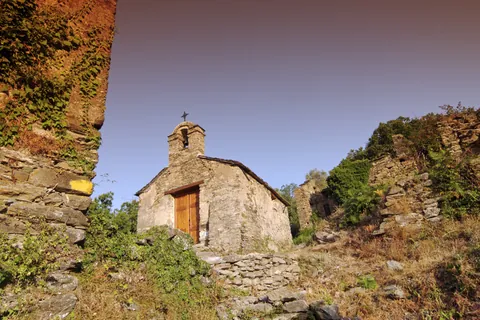
Corsica long fought for its independence against France, but was only truly independent under Pascal Paoli, between 1755 and 1769. The Treaty of Versailles (1768) between Genoa and France brought Corsica under French rule. In 1769, Napoleon Bonaparte was born on the island (Ajaccio) and, despite his love for Corsica, worked to make it part of France. Corsica was occupied by German and Italian forces during the Second World War, but was the first part of France to be liberated, in 1943. The monuments built in Corsica over the centuries are important reminders of its past: the archaeological site of Filitosa, the citadels of Calvi and Bastia, watchtowers and religious buildings bear witness to a rich and prestigious heritage. But Corsican heritage and culture also mean the Corsican language, stories and songs, and ancestral cultural and culinary practices handed down from generation to generation.
Corsican gastronomy
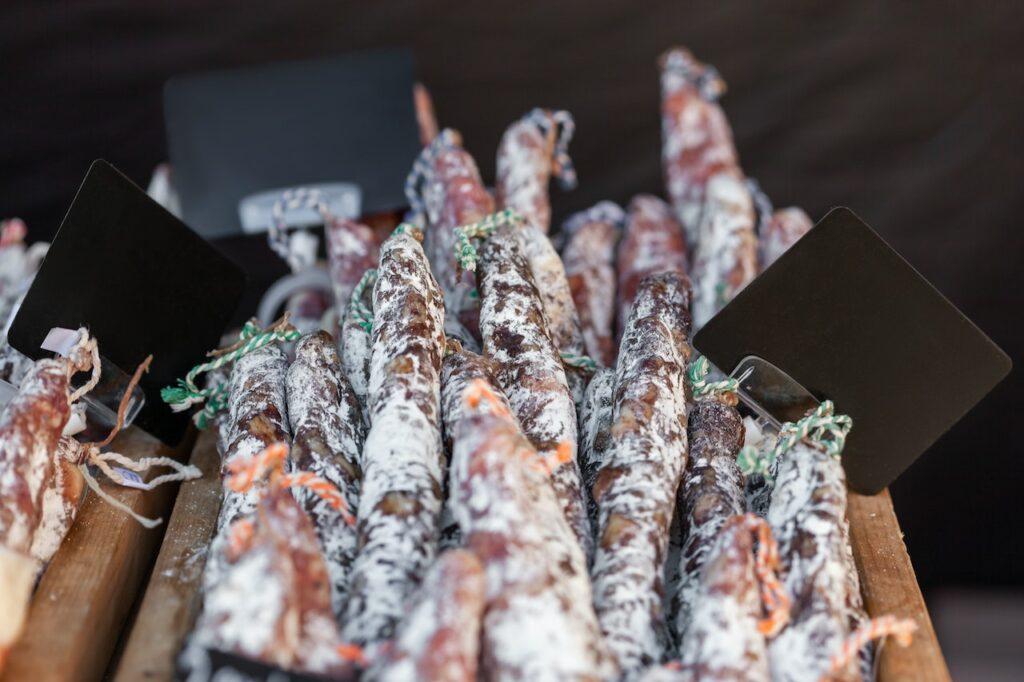
Corsica is famous the world over for the finesse and unique flavours of its gastronomy. Here are 10 delicacies you will only find on the Isle of Beauty:
- Brocciu: a fresh, creamy sheep's or goat's milk cheese widely used in Corsican cooking, in cannelloni with brocciu, fritters, stuffed vegetables, omelettes, brocciu tarts and even some pastries.
- Figatellu: one of the most famous Corsican charcuterie products, a liver sausage mixed with herbs, pork meat and fat, eaten cold or hot.
- Coppa: smoked and dried pork loin, an essential part of any Corsican charcuterie platter, which can also be used in cooking.
- Fiadone: a dessert made from brocciu, sugar, eggs, lemon and liqueur.
- Frappes: small Corsican fritters served on special occasions (christenings, weddings or family celebrations).
- Canistrelli: a dry biscuit (plain, lemon, almond, aniseed or raisin) enjoyed with coffee.
- Chestnut flour: the base of many sweet and savoury dishes, it even has its own PDO.
- Corsican soup: comparable to minestrone, with unblended vegetables and white beans, and a leftover piece of charcuterie used to make the broth.
- Wild boar terrine: in Corsica, most men hunt, which is why game terrines, especially wild boar, abound.
- Corsican wine and beer: the Patrimonio, Fumiccicoli and Clos Capitoro appellations are lovely discoveries for wine lovers. As for beer, the most famous is Pietra, made with chestnut flour.
Activities in Corsica
As Corsica offers such varied terrain, a wide range of activities is possible. These include water activities such as jet skiing, canyoning, rafting, diving, kayaking and paddleboarding; sports such as skydiving, paragliding, quad biking, buggy rides, via ferrata, zip-lining and climbing; and excursions and hikes by boat, by bike or on foot (GR20). Between sea, mountains and maquis, anything is possible on the Isle of Beauty.

The must-see places in Corsica
Corsica is a land of a thousand faces. To help you plan your trip, here are the essential places to visit depending on the area you plan to explore:
Haute-Corse
Haute-Corse is wild and authentic; here is what you simply must visit:
- The town of Calvi, full of charm and steeped in history;
- Saleccia Park;
- The Restonica and Spelunca gorges, for lovers of nature and exceptional panoramas;
- The Costa Verde and its secrets;
- The Patrimonio vineyards, a gem protected by an AOC;
- Lake Nino and its vast stretches of green grassland known as “pozzines”, where pigs and cows roam free;
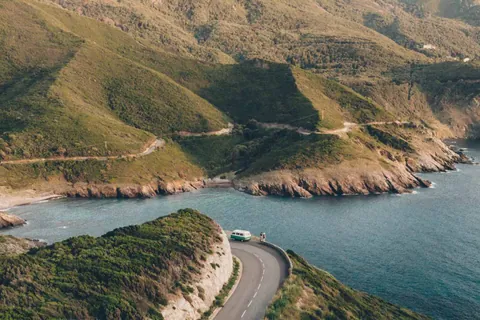
- Cap Corse, which brings together everything that makes Corsica so charming: hilltop villages, sumptuous beaches, ancient architecture and more;
- The archaeological site of Aleria and its remains;
- The Agriates Desert and its rich flora and fauna;
- San Antonio, one of the oldest villages in Corsica.
Corse-du-Sud
Here is what you absolutely must see in southern Corsica:
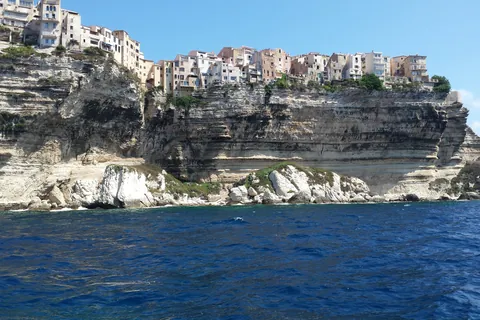
- The town of Bonifacio and its white cliffs;
- The Lavezzi Islands;
- The Aiguilles de Bavella;
- The Scandola Nature Reserve;
- The Calanques de Piana;
- The Îles Sanguinaires;
- The village of Cargèse.
The most beautiful beaches in Corsica
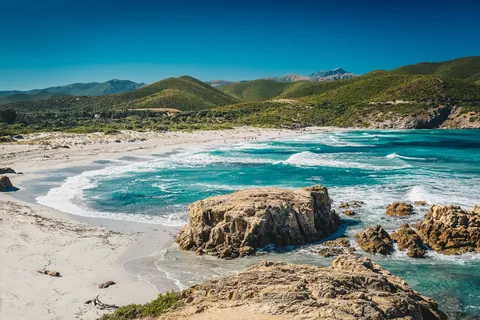
No need to go to the Seychelles to find white sand and crystal clear water, here are the most beautiful beaches in Corsica:
- Palombaggia beach;
- Santa Giulia beach;
- Rondinara beach;
- Ficajola beach in the Calanques de Piana;
- Ostriconi beach;
- Cap de Fino beach;
- Nonza beach;
- Calvi beach;
- The Lavezzi Islands.
Corte and the centre of the Isle of Beauty
Here are the places to visit if you are staying in Corte, in the centre of the Isle of Beauty:
- The citadel of Corte;
- The belvedere of Corte;
- The Museum of Corsica;
- The upper town;
- The Cours Paoli;
- The Restonica Gorges;
- The Punta Alta;
- The Ascu region.
The mountain range of Corsica
The Corsican mountain range consists of 7 massifs from north to south of the island:
- The Monte Stello massif;
- The Tenda massif and Monte Astu;
- The Monte Cinto massif;
- The Monte San Petrone massif;
- The Monte Rotondo massif;
- The Monte Renoso massif;
- The Monte Incudine massif.


Le Campoloro: your Corsican campsite for discovering the Isle of Beauty
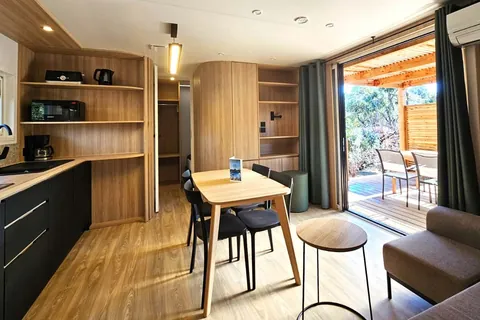
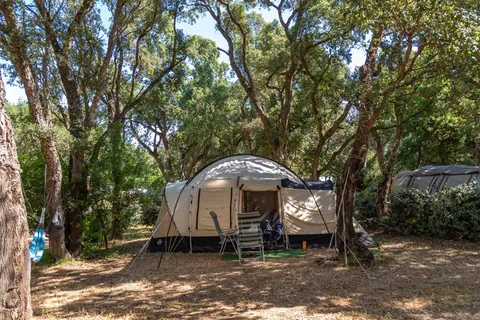
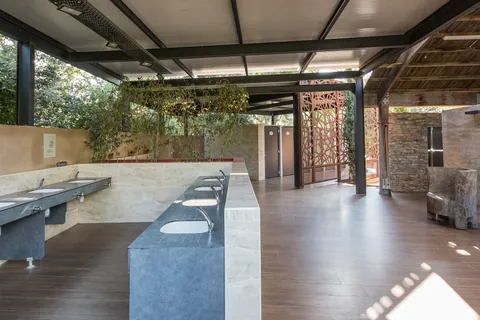
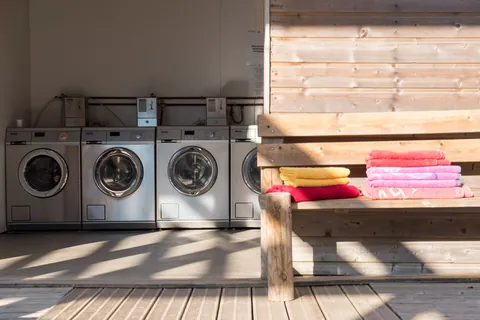
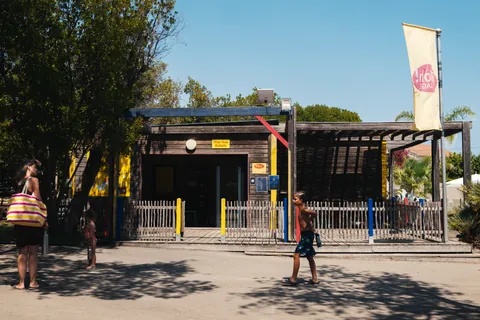
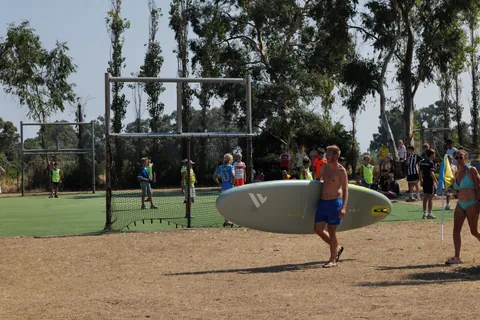
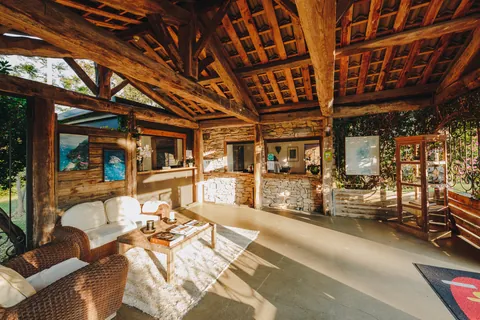
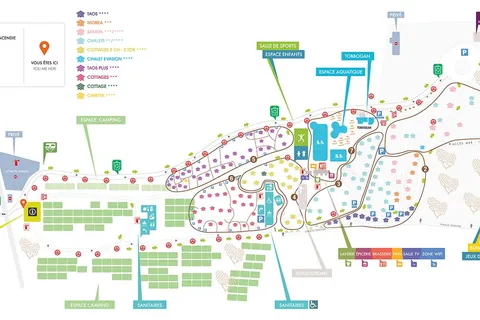
No more roughing it: today, camping in North Corsica offers high-quality services that give you all the comforts of home in the heart of nature. At our campsite, you can choose between camping pitches or accommodation (cottages, chalets, bungalows) carefully spread throughout a wooded park, so you keep your privacy without sacrificing conviviality.
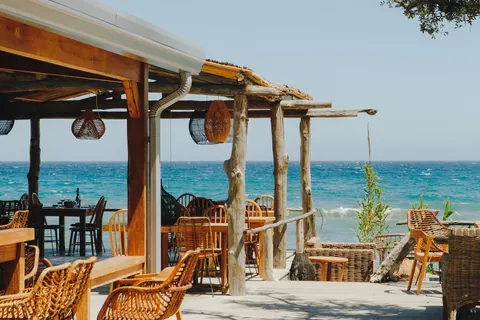
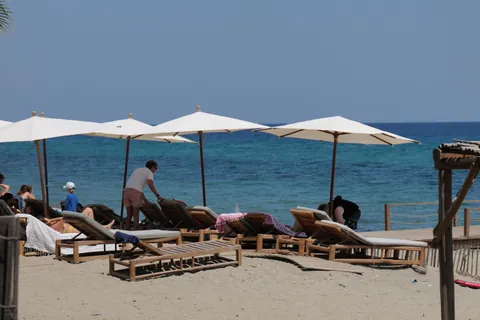
Set right by the sea, our campsite lets you alternate between the shade of the oaks and the pleasures of the beach, sunbathing and swimming. Early risers are treated to a beautiful sunrise, always the promise of wonderful days with family or friends.
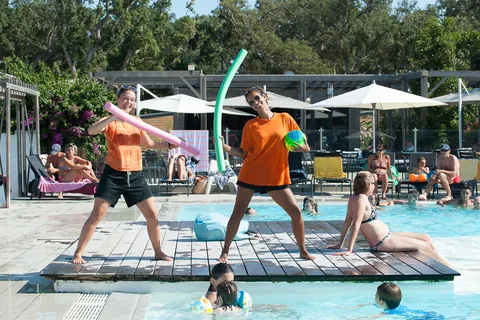
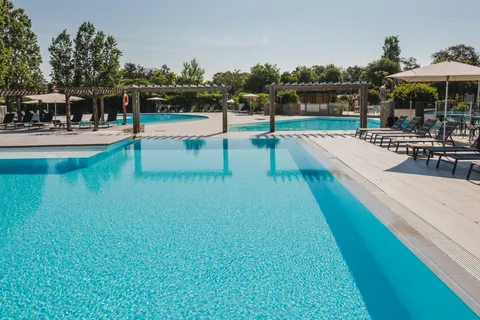
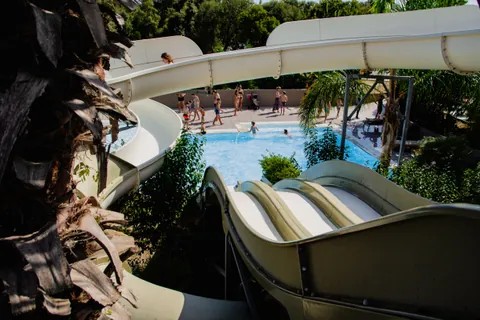
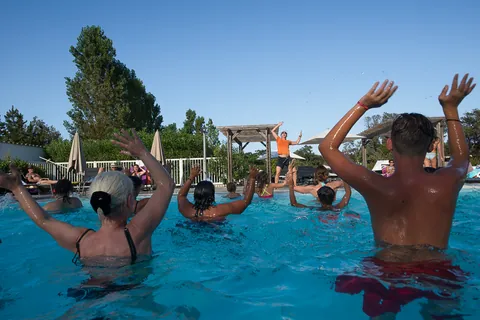
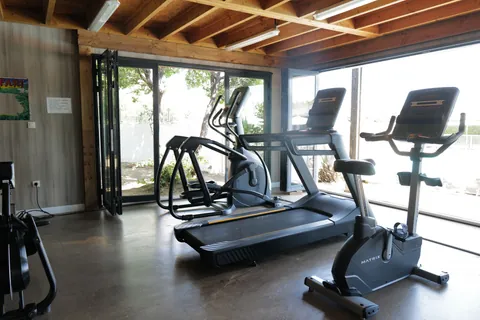
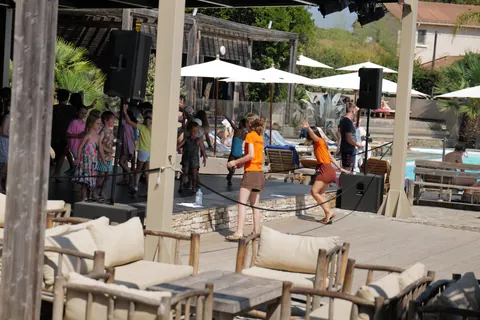
Our campsite has a water park with famous slides that everyone will love. Little ones enjoy pools of suitable depths in complete safety. The most motivated can work on their figure in a fully equipped gym or join in the various water activities, aqua gym or beach volleyball.